
Replacement Windows in Ely
Infinite Door Solutions supplies and fits replacement windows in Ely and the villages around it, in uPVC and aluminium. New double glazed windows for a typical 3-bed house come to around £4,000 to £7,000 plus VAT, and the price is fixed once we’ve done the final survey.
- Assure Certified
- 15+ Years in the Trade
- Free Quotes
- Ely & Cambridgeshire
In Short
Replacement windows in Ely in uPVC and aluminium, supplied and fitted from our base in Littleport.
Around £4,000 to £7,000 plus VAT for a typical 3-bed house, and the price is fixed once the final survey is done.
Assure Certified installer, so we self-certify the work under the Building Regulations, with an insurance-backed guarantee on every new window we fit.
Free, no-obligation quotes. Send us a photo on WhatsApp for a rough price, and you deal with Dan from the first quote through to installation.
Honest repair or replace advice. If a new sealed unit or a hinge will sort it, we’ll tell you, even when that’s the smaller job.
What's Covered on This Page
- Three Different Ely Properties, Three Different Answers
- Signs a Window Needs Full Replacement, Not a Repair
- Listed Buildings and Conservation Streets in Central Ely
- Choosing uPVC or Aluminium, and the Right Style for the House
- Building Regulations and Self-Certification Explained
- Common Questions About Replacing Your Windows
Three Different Ely Properties, Three Different Answers
The right answer depends on the house in front of you. A home full of tired windows is usually a replacement job. One misted pane is normally a new sealed unit in the old frame, and a listed or conservation area home in central Ely probably needs secondary glazing instead.
Most window enquiries start with ‘I think I need new windows.’ Sometimes that’s right. Sometimes it isn’t. Here’s how three quite different homes around Ely might go.
A House Full of Tired Windows
First, the house you’ve just bought in Littleport. The windows are old uPVC casements. A couple won’t lock properly, the rubber seals have shrunk, and the back bedroom is cold by October. This is the one where replacement makes sense. When most of the windows are tired at the same time, patching them one by one just keeps you paying for the same problem. It’s better to do the house, or a few rooms at a time, and have it done properly.
You don’t have to do it all in one go, either. Lots of people start with the coldest rooms and do the rest later. Casement is the common style around here and it’s a simple like-for-like swap. Tilt and turn is worth a thought for upstairs rooms, because you can clean the outside glass from inside.
One Misted Window in a Sound Frame
Second, the house in Ely with one misted window. Everything else is fine. One window has gone cloudy between the panes and won’t wipe clear. The frame’s sound and the handle works. We’d tell you not to replace that window. The glass is fine, the seal has gone, and damp air has got in between the two panes. A new sealed unit goes into the same frame and that’s it, all sorted. A dropped hinge or a sticking handle is the same story. It’s a repair, not a new window.
One thing worth checking first. If the mist is on the room side and wipes off, that isn’t a fault with the window at all. That’s condensation from moist air indoors, and it’s very common in Fen winters when the fog comes off the Great Ouse. Better airflow in the room usually helps more than new glass would.
A Listed House or Conservation Street
Third, the listed house or conservation area street in central Ely. Some of these streets have rules that stop you changing how the windows look from outside. If you’ve been told you can’t replace them, new uPVC windows aren’t the answer, however cold the rooms get.
What often works there is secondary glazing. That’s a second window fitted on the inside of the one you’ve got, so the outside stays exactly as it is. It helps with cold and with noise. We fit secondary glazing too, if that sounds like your house. If the council will allow some change, heritage-style windows might be an option, but that’s their decision to make, not ours.
Which One Is Your House?
- Most windows tired, cold or not locking: replacement is probably right.
- One or two misted panes in sound frames: a new sealed unit, not a new window.
- Mist on the room side that wipes away: that’s indoor condensation, not a failed window.
- Listed building or conservation street: secondary glazing, or heritage windows if the council allows.
Which one you are isn’t always obvious from the pavement. That’s what the survey is for. Dan looks at the windows with you and tells you straight whether it’s a replacement, a repair or something else, even when the honest answer is the smaller job.
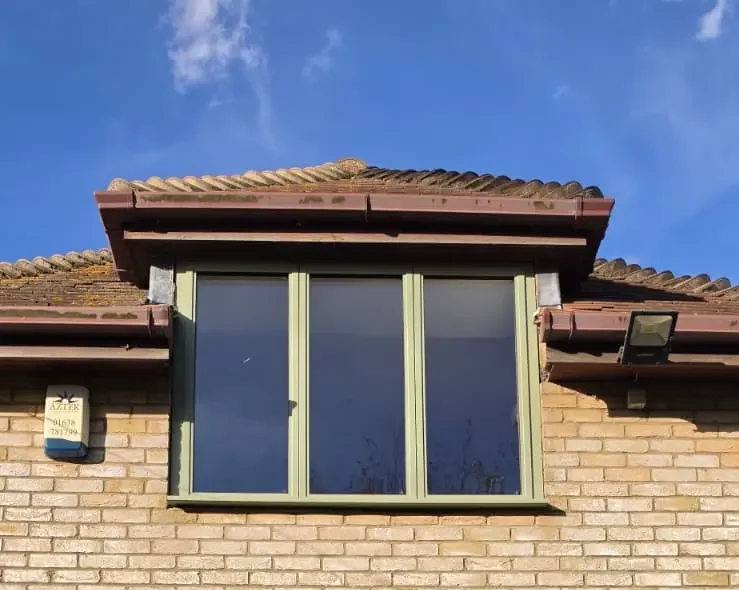
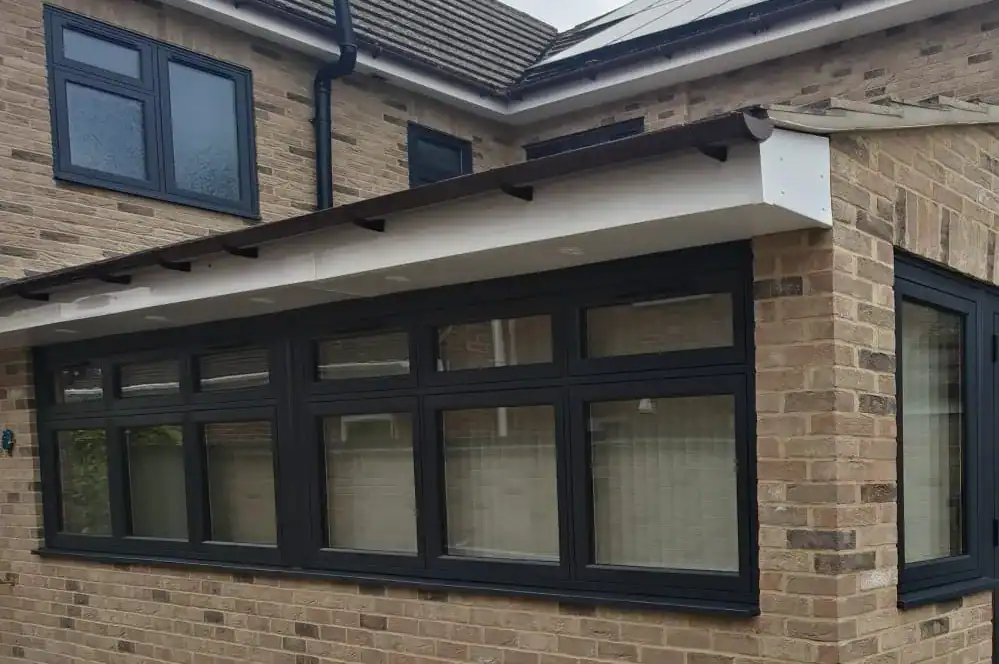
Not sure whether you need new windows or just a repair?
Send us a photo on WhatsApp and we’ll give you a rough price and an honest answer. Quotes are free, with no obligation.
Signs a Window Needs Full Replacement, Not a Repair
A repair is usually the cheaper answer, and it’s the one we’d point you to first. But there’s a point where fixing a window just means paying to keep an old problem going. These are the signs that tell you a window has reached that point.
- The frame itself is damaged. Cracked corners, a split in the uPVC or a frame that’s bowed so the window won’t sit flat when it shuts. New glass or a new handle won’t fix the thing that’s holding them.
- It won’t close square any more. Over the years a frame can drop or twist out of shape. If the window catches, a gap opens down one side, or you have to lean on it to lock it, adjusting the hinges only goes so far.
- The parts aren’t made any more. Older uPVC windows often used locks and hinges that have since gone out of production. Sometimes we can find a match. Sometimes there isn’t one, and that’s when a whole new window makes more sense.
- Draughts that keep coming back. If the seals have already been replaced and the cold still gets in round the frame, the problem is usually the frame or how it was fitted, not the rubber.
- Lots of sealed units have gone at once. Sealed units usually start failing at around ten years. One misted pane is a repair. Four or five across the house usually means they’re all the same age, and the rest likely won’t be far behind.
- Single glazing, or wooden frames gone soft. We don’t fit new timber windows, so where old wooden frames have rotted along the bottom we’d replace them in uPVC or aluminium.
Repair or Replace: How We Weigh It Up
The way we look at it is fairly simple. Add up what the repairs would cost over the next few years, then ask what you’d have at the end of it. If the answer is still an old window that doesn’t shut properly, a replacement is probably the better spend.
Age on its own isn’t a reason to replace. A 20-year-old uPVC casement that opens, locks and keeps the weather out can carry on for years yet. Don’t let anyone talk you into new windows just because of how old yours are.
Dan has been in the glazing trade for over 15 years, from manufacturing the products to fitting them. That means he can usually tell on the survey whether a part can be swapped or whether the frame has had it.
Repairs are a steady part of the work at Infinite Door Solutions, so there’s no reason for us to push you towards a new window you don’t need. The survey might well come back mixed: two windows to replace, one to repair and the rest fine as they are. That’s a perfectly good result.
If you’re in Ely or Soham and you’ve already ticked off a few of the signs above, it’s worth getting the windows looked at properly before the colder months, when draughty frames make themselves known.
Explore double glazing and window installation for the full range of window styles and glass we fit.
Listed Buildings and Conservation Streets in Central Ely
If your house is listed, or sits on one of the conservation area streets in central Ely, the usual way of doing replacement windows doesn’t really apply. The windows are part of what the council is trying to protect. Changing how they look from outside normally needs the council’s agreement first (on a listed house that’s listed building consent, under the Planning (Listed Buildings and Conservation Areas) Act 1990), and sometimes the answer is simply no.
It’s worth finding that out before anyone measures up. Planning and listing rules are separate from the Building Regulations. A window can tick every energy box going and still not be allowed on that house.
There’s a rough difference between the two. Listed means the building itself is protected, inside and out. A conservation area protects the character of the street, so it’s mostly about what people see from the pavement. Either one can affect your windows, and the council’s planning team is the place to check.
Here’s the honest bit. Plenty of older houses in central Ely still have timber windows, and we don’t fit new timber windows. If the council wants like-for-like wooden windows, we’re not the right people for the windows themselves. We’d rather tell you that now than waste your afternoon on a survey.
What We Can Still Help With
There’s still quite a lot we can help with on these houses:
- Secondary glazing. Because it sits inside and can come out again later, the original window is left alone. On a listed house, check with the council first anyway, because listing covers the inside too.
- Heritage-style uPVC or aluminium windows, where the council will accept them. Some conservation streets are more relaxed about the back of a house than the front, but that’s their call.
- Repairs to modern windows you’ve already got. Lots of homes in conservation areas had uPVC fitted years ago. A misted unit, a broken hinge or a cracked pane can be fixed without changing how anything looks.
- Draught proofing on uPVC or aluminium windows you already have, which on its own can take the edge off a cold room.
If you’re not sure whether your street is covered, don’t guess. Sellers and estate agents don’t always mention it, and finding out after the windows have gone in is a much bigger problem than finding out before.
What to Have Ready for the Survey
When Dan comes to look, a few things make the visit far more useful:
- Whether the house is listed or in a conservation area, if you know.
- Any letter or advice you’ve had from the council about the windows.
- Which rooms bother you most, and whether it’s the cold, the noise or both.
With that in hand, he can tell you plainly which of the options above fits your house, and which ones the council would need to sign off first.
Choosing uPVC or Aluminium, and the Right Style for the House
Once you know it’s a replacement job, there are two choices left. What the frames are made of, and what style of window goes in. Neither one needs to be complicated. The aim is a window that suits the house you’ve got, not the one in the brochure.
We fit uPVC and aluminium. Both are good. They just suit different houses and different budgets.
- uPVC is the sensible choice for most homes. It keeps the heat in well, it won’t rot in the damp Fen winters, and it only needs a wipe down now and then. It usually costs less than aluminium. White is the usual finish, and woodgrain effect finishes are available on all our uPVC windows.
- Aluminium frames are slimmer and stronger, so you get more glass and less frame. That suits wide openings, modern homes and extensions where you want a clean, narrow look. It normally costs more, so we’d only point you that way if the house will really show the difference.
If you’ve got a 1970s semi in Ely with white uPVC windows that have just worn out, new uPVC will be the right answer. We’re pretty certain you won’t notice anything missing. Aluminium earns its keep on newer builds, big picture windows, or when you’re matching aluminium doors at the back of the house.
Picking the Style
On style, the best starting point is usually whatever’s there now. Casement is the like-for-like swap on most houses around here, and tilt and turn is worth a look for upstairs rooms, as mentioned above. The other styles each suit a certain kind of house.
- Sliding sash. These slide up and down, like the old wooden ones. A uPVC sliding sash keeps that traditional look on a Victorian or Edwardian house that isn’t listed, without the rot and the rattling that come with old timber.
- Bay. Three or more windows set at angles so the room pushes out from the wall. Replacing a bay means checking the frame is still carrying the weight above it, which is something Dan looks at on the survey.
- Bow. Like a bay, but with more windows set in a gentle curve. It gives a softer look and a bit more light.
Mixing styles is fine too. Casements at the back and sashes at the front works on plenty of older houses, as long as the front still looks right from the street.
The glass is the last part. Standard double glazing does the job for most rooms. Triple glazing can help on a cold, exposed side of the house. It isn’t something you need unless the room calls for it.
If you’re stuck between two options, that’s fine. Bring it up at the survey. Dan will tell you what he’d fit in your house and why, and if the cheaper option will do the job just as well, he’ll say so.
Building Regulations and Self-Certification Explained
Replacing a window counts as notifiable work under the Building Regulations. That isn’t red tape for the sake of it. It means the new window has to meet certain standards, and someone has to confirm that it does.
This is separate from the planning and listing rules mentioned above. Planning is about how the house looks. The Building Regulations are about how the window performs once it’s in.
There are two ways to get the sign-off. You can tell the council’s building control team before the work starts. They may come out to inspect it, and there’s a fee for that. The other way is to use an installer who’s registered with one of the government-authorised Competent Person schemes for glazing. That installer can then self-certify the work.
We’re the second kind. Infinite Door Solutions is an Assure Certified installer. Assure is one of the government-authorised Competent Person schemes for glazing. Being registered with them means we can self-certify our installations against the Building Regulations, so you don’t have to go through the council yourself. Every new window we fit also comes with an insurance-backed guarantee.
What the Regulations Check
So what do the regulations look at? In plain terms, it’s mostly these:
- How well the window keeps the heat in, so a new window isn’t worse than the one it replaced.
- Fresh air, so the room can still breathe once the old draughty frames are gone.
- Getting out in a fire. Some upstairs windows need to open wide enough to escape through.
- Safety glass in the places where someone might fall or walk into it, such as low panes or glass next to a door.
Most of that gets sorted on the survey. Dan checks things like which bedrooms need an escape window and where toughened glass has to go before anything is ordered. That’s the cheapest time to get it right.
Here’s why it matters to you later on. When you sell, the buyer’s solicitor will usually ask for proof that any replacement windows were signed off. If there’s nothing to show, it can hold the sale up while everyone works out what to do. If you’ve just bought a house in Ely and the paperwork for the windows never turned up, it’s worth asking your solicitor about it now rather than at your own sale.
One thing that surprises people is that a repair usually isn’t notifiable. Swapping a misted sealed unit into the old frame, or fitting a new hinge or handle, doesn’t normally need sign-off, because the window itself isn’t being replaced. It’s the whole window coming out and a new one going in that needs it.
Be a bit wary of anyone who offers to skip the sign-off to save you money, or says it doesn’t apply to your house. It does. Whether your home is in Ely, Littleport or further out, new windows need certifying, and with us that’s simply part of the job. We do it properly, so it’s one less thing for you to chase.
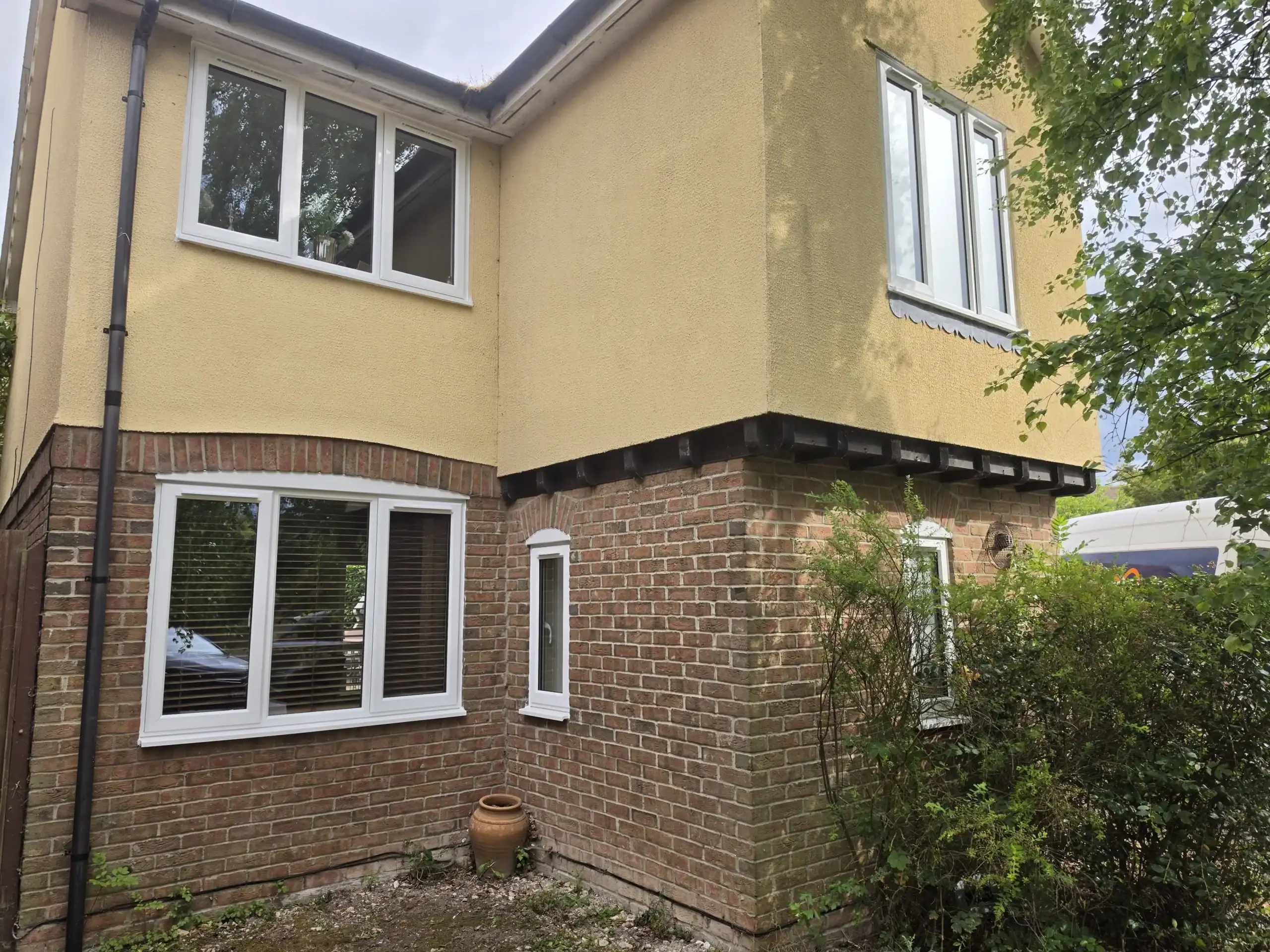
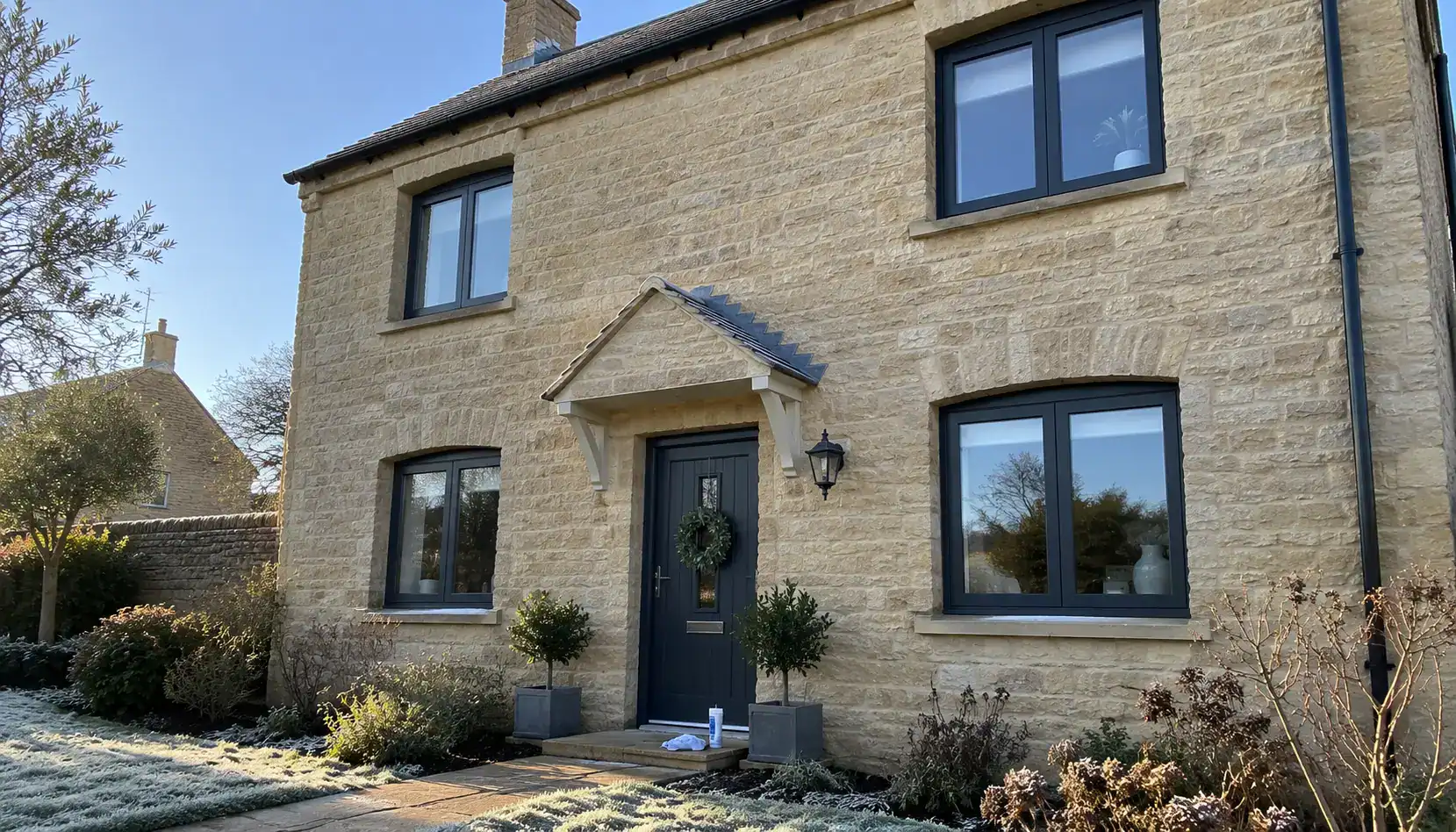
Questions People Ask
Common Questions About Replacing Your Windows
How long does a window replacement job take once you start fitting?
It depends on how many windows you’re having done, and we’ll tell you how long the fitting will take when we survey, so you can plan around it. Dust sheets go down and we clear up as we go. If you’re doing a full house in stages, you can start with the coldest rooms and finish the rest later.
Will my new windows match the ones I already have if I only replace some of them?
Yes, if you’re doing a like-for-like swap, casement stays casement and the colour and style can match what’s already there. Mixing styles is also fine on some houses, such as casements at the back and sashes at the front, as long as the front still looks right from the street. Send a photo of your existing windows when you ask for a quote, and Dan will confirm at the survey what will match best.
Do I need to be home during the window fitting?
It’s sensible to be there, especially on the first visit, so we can talk you through anything found once the old frame comes out. For a small job like one or two windows, some customers arrange access without staying for the whole visit. Ask about this when you book, since it depends on how many windows are being done.
How much do replacement windows cost in Ely?
For a typical 3-bed house, new windows throughout come to around £4,000 to £7,000 plus VAT, depending on what you need. Send us a photo on WhatsApp and we can give you a rough idea before anyone visits. Once we’ve done the final survey, the price is fixed, so it won’t move on the day.
How long do windows last before they need replacing?
The sealed units are usually the first thing to go, and they tend to start failing at around ten years. A frame that still opens, locks and keeps the weather out can carry on well past that, so a misted unit on its own is normally a repair rather than a new window.
Do I need planning permission for replacement windows?
Usually not for a house, as long as the new windows look much like the old ones. Flats, listed houses and some conservation area streets are different, so check with the council before anything is ordered if that’s you. Building Regulations still apply to every replacement window, and because we’re Assure Certified we self-certify the work for you.
Ready to talk about replacement windows in Ely?
A typical 3-bed house comes to around £4,000 to £7,000 plus VAT, and the price is fixed once we’ve done the final survey. You deal with Dan from the first quote through to installation.