
Infinite Door Solutions fits secondary glazing to sash, casement and bay windows across Ely and East Cambridgeshire. It goes on the room side of your existing window, so nothing changes outside, which is why it usually suits listed and conservation area homes where replacement windows get refused.
Secondary glazing in Ely fitted on the room side of your existing sash, casement or bay windows.
Listed and conservation area homes. Nothing changes outside, so it generally needs no listed building consent.
One person start to finish. Dan quotes, surveys and fits every job himself.
Free quotes. Send photos on WhatsApp for a ballpark before anyone visits. Assure Certified and insured.
Ely, Littleport, Soham, Witchford and Newmarket, plus the villages within about 30 miles.
Draughty sash and casement windows are the most common reason people ring about secondary glazing in Ely. The original window stays put. A second pane goes on the room side, and that’s what stops the cold air coming through and takes the edge off the noise. If you can feel a breeze with the window shut, secondary glazing is usually the fix.
The sashes are usually the worst for it. The whole thing works by sliding, so there has to be a gap between the sash and the frame, and that gap widens as the timber moves and the beading wears down. Casements hold up a bit longer. Their hinges drop over time though, and the seals go hard and stop sealing. You end up in the same place either way. Cold room, heating running longer than it should, and through the winter you get water sitting on the inside of the glass and soaking into the timber below it.
Plenty of these windows are in listed places or conservation areas around Ely, so taking them out isn’t usually on the cards. There’s more on that further down. What matters here is that the window itself is the problem, and you can deal with it without touching the original at all.
A secondary unit fits inside the existing reveal, so the sash or casement carries on exactly as it is from the street. On the room side you get a second pane and a sealed air gap, and the gap does most of the work. The draught drops right off. Historic England’s guidance on secondary glazing says heat loss through a window can come down by over 60% where the panel has a low-emissivity coating.
Condensation is the other one. The damp coming off the Great Ouse is hard on single-glazed windows round here, and once that inner pane gets cold enough you’ll see it running down onto the sill. A secondary panel keeps the glass warmer, so far less of it settles. Where replacement windows and double glazing aren’t an option, this is usually the route left open to you.
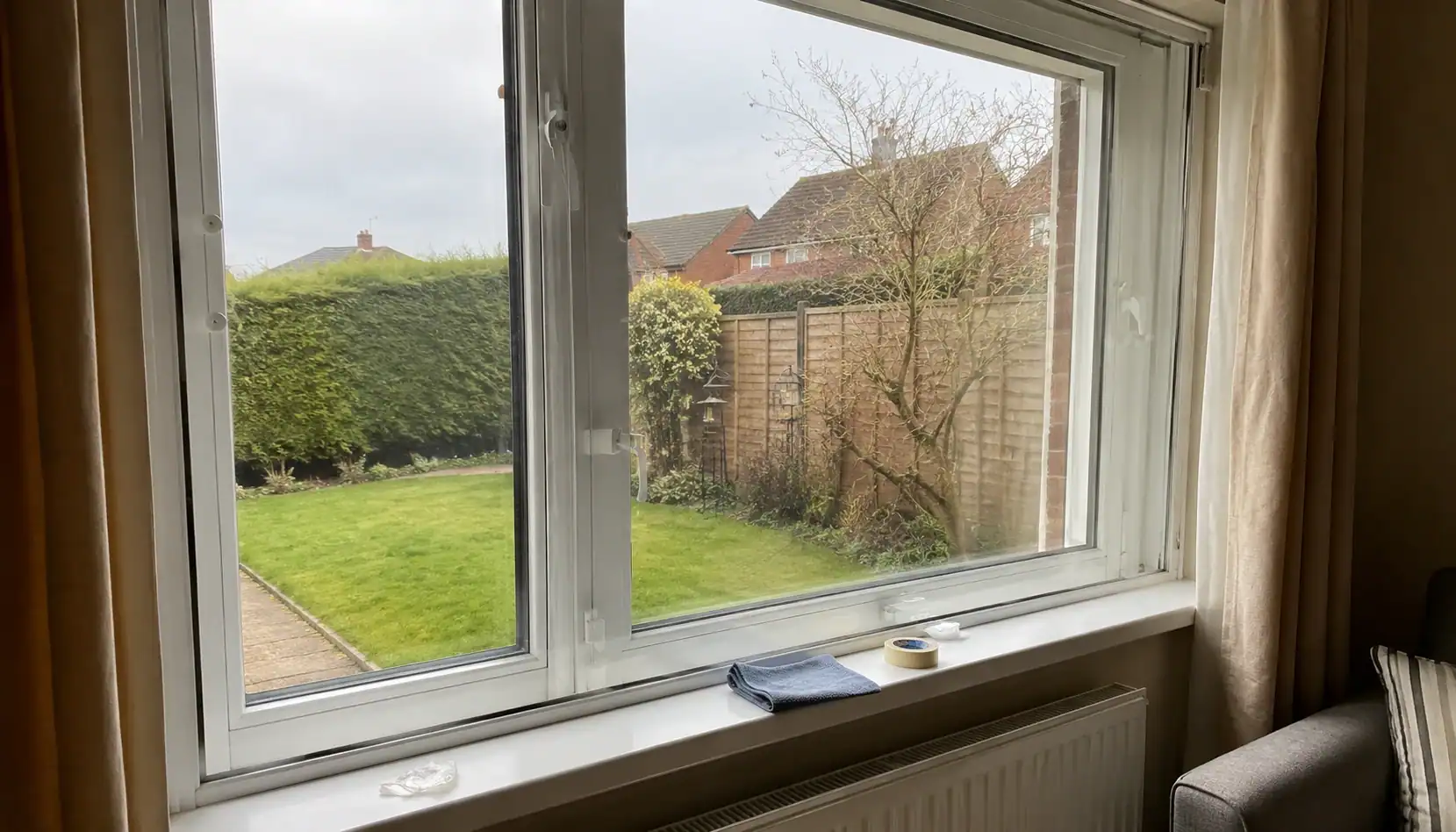
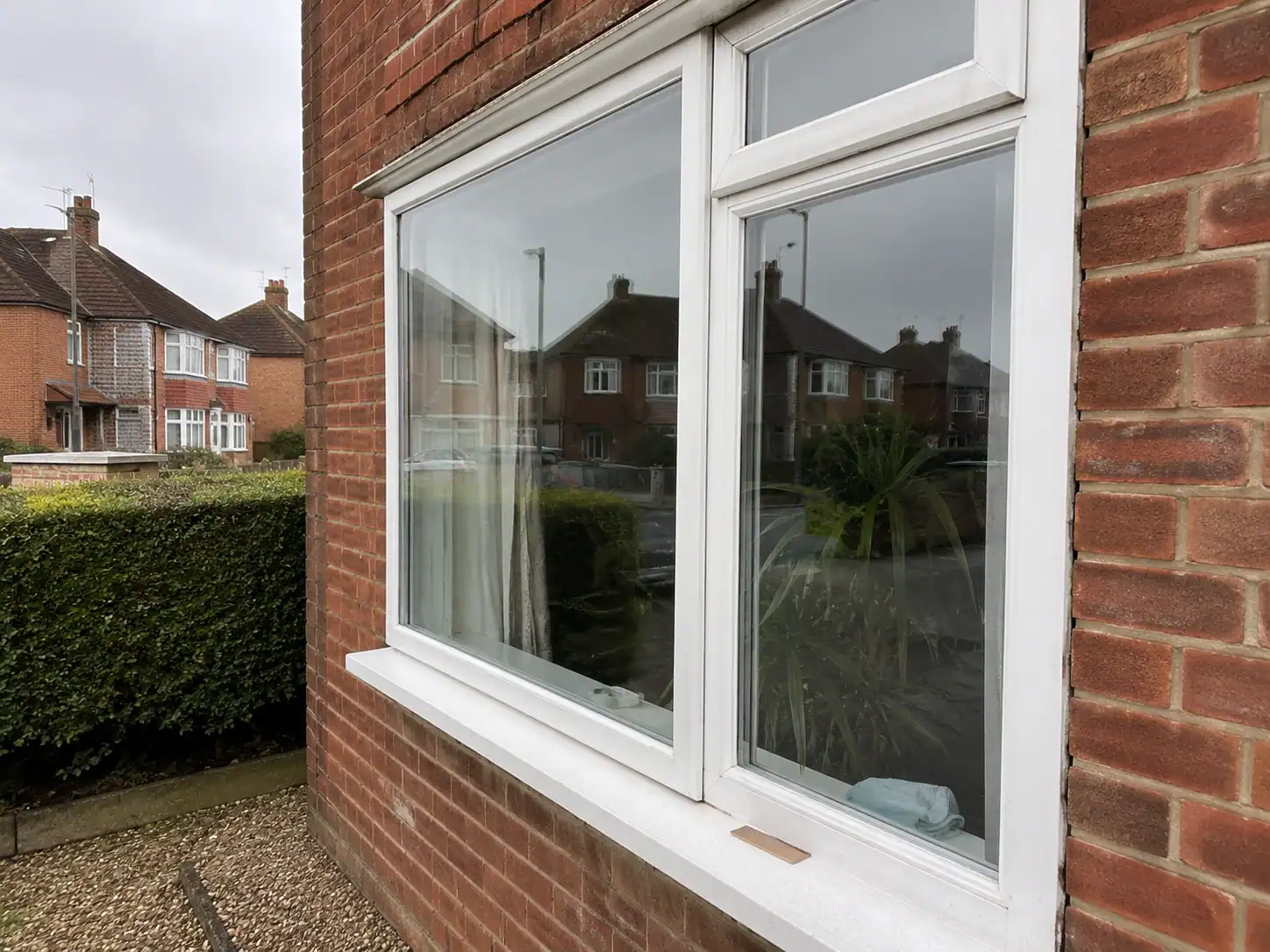
Noise is the other big reason people ring us about secondary glazing in Ely. Traffic going past from six in the morning, straight through an old single-glazed window like it’s barely there.
A single pane gives very little sound to push against. Put a second pane on the room side with air behind it and the sound has to get through twice, and it loses energy each time. One thing worth knowing if you’re weighing up warmth and noise together: sound wants a wider gap than heat does. A unit set up purely for insulation won’t do as much on a busy road.
Period properties tend to feel it worst. A listed cottage on one of the older Ely streets will have the original timber sashes in it, those windows are worth keeping, and sound goes straight through them. Secondary glazing takes that on from the room side without disturbing them.
Toughened safety glass starts as ordinary glass. Heat-treating it in a furnace changes how it breaks. Instead of shattering into long shards, it crumbles into small, blunt granules, much safer if a child runs into a patio door or someone trips near a low window.
We fit toughened safety glass to doors and low-level glazing across Ely, Littleport and the villages round both. If a pane in one of these spots needs replacing, the new glass has to be toughened by law. No way round it. The job itself is usually straightforward though, glass only, in the existing frame, done in one visit.
Where noise is the main thing, we can fit acoustic glass in the secondary units. It’s laminated, so there’s a soft interlayer between two sheets of glass that soaks up the vibration rather than passing it along. Running a different thickness in the secondary pane to the original helps as well, because two panes of the same thickness ring at the same frequency and you lose some of what you’ve gained.
The A10 and A142 around Ely are where we’d expect this to come up most, with lorries on both for a good part of the day. How much noise reduction you get from acoustic glazing depends on the road, which way the room faces, and Dan will want to see how much depth there is in the reveal before putting a figure on anything. That gets settled at survey.
By the time someone calls us about this, they’ve usually already been told the windows have to stay. The protection sits on the building, and new windows would change how it reads from the street, so the answer comes back no.
Central Ely has whole streets inside a conservation area, the cathedral quarter being the obvious one. East Cambridgeshire District Council holds the maps and the Article 4 directions, so you can find out where your street stands before you go any further.
It’s worth knowing which of the two you’re in, because they work differently. A conservation area governs the outside of the building, so a panel fitted on the inside of the reveal generally sits outside all of that. A listing reaches further and covers the interior as well, which is why on a listed building Dan will want you to have a word with the conservation officer before anything gets ordered. That call is usually short and it saves any argument down the line.
Reversibility is what lets secondary glazing sit comfortably in both. Historic England’s position is that reversible secondary glazing generally needs no listed building consent, because the original window is left alone and the panel can come out again later without marking anything.
A lot of people take the listing to mean they’re stuck with a cold room for good. The rules govern how the building presents itself to the street. What you put on the room side is a separate question, and around Ely it’s usually a straightforward one.
The secondary glazing panel we fit is decided by the window sitting behind it. Matching those two up is most of the job on a heritage window.
Sash windows are what we come across most in the Ely conservation area. These take a vertical sliding panel running on its own tracks inside the reveal, so it goes up and down the same way the sash does. You keep the use of both windows, which matters in a bedroom you want to air out in the summer.
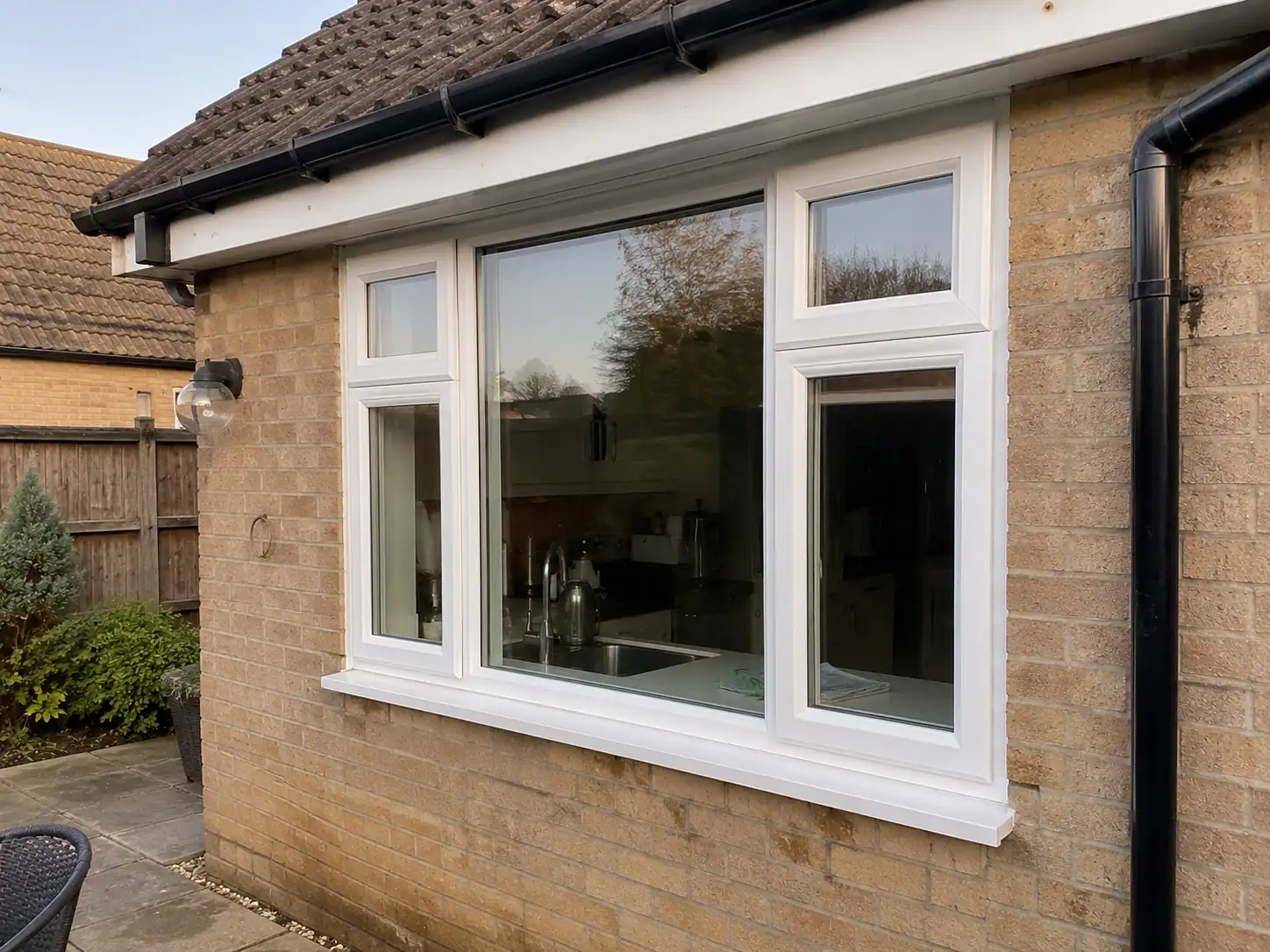
Casements take a hinged or a lift-out panel. Hinged suits anything you’re in and out of regularly. Lift-out sits better on a window you open a handful of times a year. Fewer moving parts, so there’s less to go wrong. Where a window is painted shut or simply never opened, a fixed panel does the job for less money. Whichever it is, the panel clips into an aluminium subframe fixed inside the reveal, and the original frame is left alone.
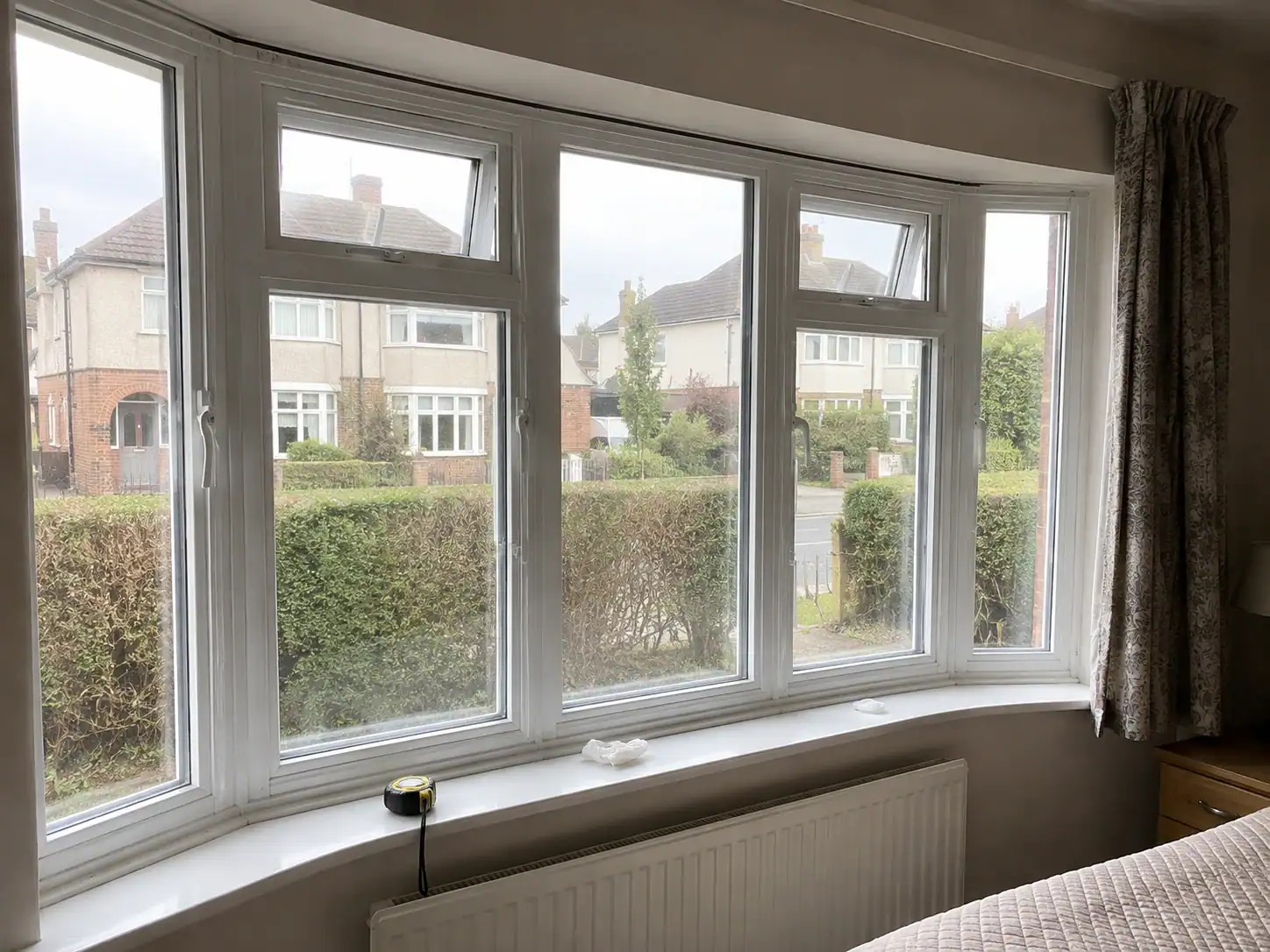
Bays need the most care. Each face gets its own panel, and Dan measures every one on its own, because the angles in a bay are rarely true. A three-sided bay on a Victorian terrace usually ends up with three panels at slightly different sizes, which catches people out. Set out properly, the uprights line up with the original glazing bars and the panel keeps out of the way.
The subframes come in a range of finishes. On a listed property the conservation officer will usually want them to disappear against the existing woodwork, so we choose the finish at survey.
Dan’s background is manufacturing as well as fitting, fifteen years of it, so he knows how these panels go together and where the tolerances sit. On heritage windows that matters, because almost nothing is a standard size.
Call Dan for a Free Quote. Infinite Door Solutions is ready to help.
Secondary glazing suits a particular set of problems, and there are a few jobs where we’d tell you to spend your money elsewhere.
If your existing windows are standard uPVC or aluminium double glazing and still in decent shape, secondary glazing won’t do much for you. The sealed unit is already doing the thermal work, so a second layer inside adds very little. Draught proofing the seals and hardware, or a double glazing repair, will usually sort the cold air you’re feeling for a fraction of the cost.
Rotten or crumbling frames are the same story. Secondary glazing fixes into the reveal and relies on the existing window being sound, so on a frame that’s coming apart you’d be putting something tidy in front of something that needs to come out. A replacement window is the sensible thing to do.
A single misted unit is a smaller job again. The seal between the two panes has gone and let moisture in, and the glass either side of it is usually sound. We can swap the sealed unit on its own and leave the frame where it is.
Depth stops a job now and then as well. A secondary panel needs somewhere to sit, so a shallow reveal can rule it out, and that’s worth knowing before you get your hopes up. Dan will check that early.
It earns its money on single glazed windows you want to keep, which is what a lot of the older properties around Ely still have. If you’re somewhere else on that list, there’s usually a simpler fix, and we’d rather point you at it than sell you something you don’t need.
Dan surveys the windows himself and measures every opening on its own, because older properties around Ely are rarely square. He’s looking at the depth of the reveal and the condition of the timber behind it. He’ll also work out whether your existing handles and catches will clear the new panels once they’re in, which is what catches people out on casements. Anything awkward tends to turn up at that stage, which is where you want it.
How long it all takes depends on how many windows you’ve got and the spec you settle on, because every panel is made to measure. Dan will give you a timeline on the survey day. If anything slips, you’ll hear it from him rather than finding out in the morning.
Fitting is a tidy job. The panels turn up assembled and glazed, so all that happens on the day is the subframe going into the reveal and the unit clipping into place. A bay takes longer than a single sash. A secondary glazing installation works entirely from inside the room as well, so there’s no scaffolding and nothing to set up outside. On listed properties in central Ely, where getting round the back can be awkward, that’s often what makes the job workable.
Handover is the two of us going round every window together. We check the locks work, the panels slide or swing properly, the seals sit tight, and Dan will show you how to lift one out for cleaning. Nothing gets left half done.
You’ll deal with Dan from the first quote through to that last walk round. On a bigger job Dan brings in his trusted team of installers, though he’s on site regardless. And you keep Dan’s number afterwards. The aftercare is his to sort out as well.
How long it all takes depends on how many windows you’ve got and the spec you settle on, because every panel is made to measure. Dan will give you a timeline on the survey day. If anything slips, you’ll hear it from him rather than finding out in the morning.
Fitting is a tidy job. The panels turn up assembled and glazed, so all that happens on the day is the subframe going into the reveal and the unit clipping into place. A bay takes longer than a single sash. A secondary glazing installation works entirely from inside the room as well, so there’s no scaffolding and nothing to set up outside. On listed properties in central Ely, where getting round the back can be awkward, that’s often what makes the job workable.
Secondary glazing generally sits outside the Building Regulations. Replacing a window has been notifiable work since April 2002, so somebody has to confirm the new unit meets the thermal and safety standards, either the council or an installer who’s registered to sign it off. Adding a panel on the room side leaves the original window where it is, so there’s nothing being taken out or altered for anyone to notify.
That comes back round when you sell. A buyer’s solicitor will ask for a certificate covering any replacement windows fitted since 2002, and secondary glazing won’t have one, because there was nothing notifiable to certify. That’s the right answer to give them.
The thing Dan raises at survey is escape windows. If a bedroom window is the way out in a fire, the panel going in front of it has to open from the inside without a key and leave the same clear opening behind it. That’s worth getting right whichever way the paperwork falls.
Going the replacement window route puts you back inside the regulations. We’re Assure Certified for that work, which is a competent person scheme in the same way FENSA is, so we can self-certify it and you get the certificate, and it comes with an insurance-backed guarantee.
Planning is the other thing people ring about, and secondary glazing generally stays clear of that as well, since all the work happens on the room side. A listed building in central Ely is the one worth checking first, which we’ve covered further up. Beyond that there’s nothing to wait on before we get the survey booked.
We’re based at Oak Lane Business Park in Littleport, so Ely is a few minutes up the road and it’s the town we know best. The calls tend to come from the older part of it, because that’s where the single-glazed timber windows still are. The newer estates round the edge mostly have sealed units already.
The same pattern holds further out. Soham, Witchford, Sutton and Haddenham all have older village cores with the sort of windows this suits, and it’s much the same over towards Newmarket. Anything inside about thirty miles of Littleport is a comfortable run, so Chatteris, March and Downham Market are all fine to come out to.
Cambridge is worth being straight about. The planning constraints there are real and secondary glazing is a proper job, so we’ll come out to properties on the edges of the city. Central Cambridge we leave alone for practical reasons. The traffic getting in and back adds about forty-five minutes on top of the mileage, and that time is better spent on the work.
Custom glass cutting is exactly what it sounds like. You give us the measurements, we cut the glass to fit. That includes:
If you’re unsure whether you’re in the patch, send a couple of photos and your postcode through on WhatsApp. Dan will tell you there and then. He can usually give you a rough idea on the price off the photos as well, before either of us books a survey.
Questions People Ask
The fitting itself is usually a day, sometimes two if you’re having several rooms done at once. The longer part is before that: Dan surveys and measures every window, then the panels are made to measure. Once they arrive, fitting is quick because nothing structural changes. Your original window stays in place the whole time, so there’s no waiting for plaster to dry or paint to cure.
We check the reveal, confirm the measurements from the survey, and fit the secondary panel into its track or hinged frame just inside your existing window. You don’t need to do much beyond clearing the windowsill. The work is tidy and mostly dust-free because we’re not touching brickwork or the original glass. Once it’s in, we’ll show you how to open and close the panel, and you use your original window exactly as before.
Yes, and it’s often the better choice for older Ely homes with original sash or casement windows. Secondary glazing fits behind the existing window without touching the outside, so it suits older cottages where the frames are original and worth keeping. It cuts the draughts right down without changing how the house looks from the street. One thing worth knowing: don’t draught proof the original window as well, or you can trap moisture between the two panes.
Yes, the air gap between your original window and the secondary panel does most of the work absorbing sound. A wider gap blocks more noise, and using acoustic glass in the secondary unit makes an even bigger difference. The difference is most obvious at night, when the traffic is the only thing you can hear.
Secondary glazing works on all three, though the panel and the cost change with the window. A sash or a casement is straightforward, and one panel covers the opening. Bays take more work because every face is measured and made separately, so a three-sided bay costs more than a single sash would. Dan will tell you which way yours falls at the survey.
Free quotes across Cambridgeshire, and you deal with Dan from the first visit to the last screw.